Maffee Wan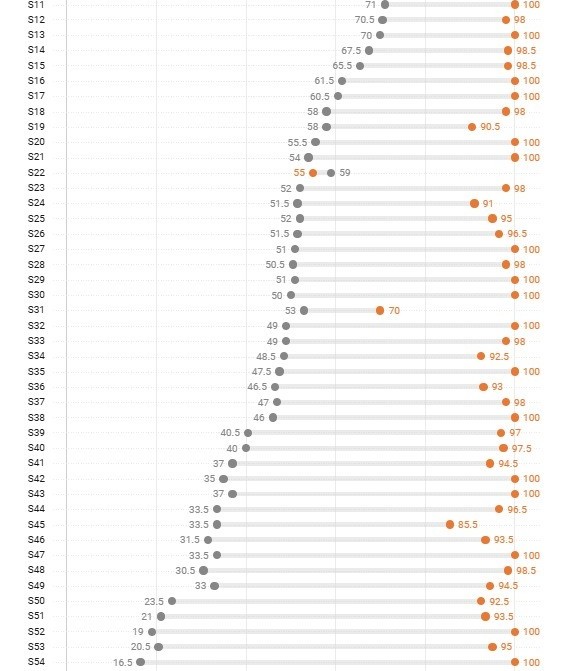
Two pieces of research this year sit uncomfortably next to each other.
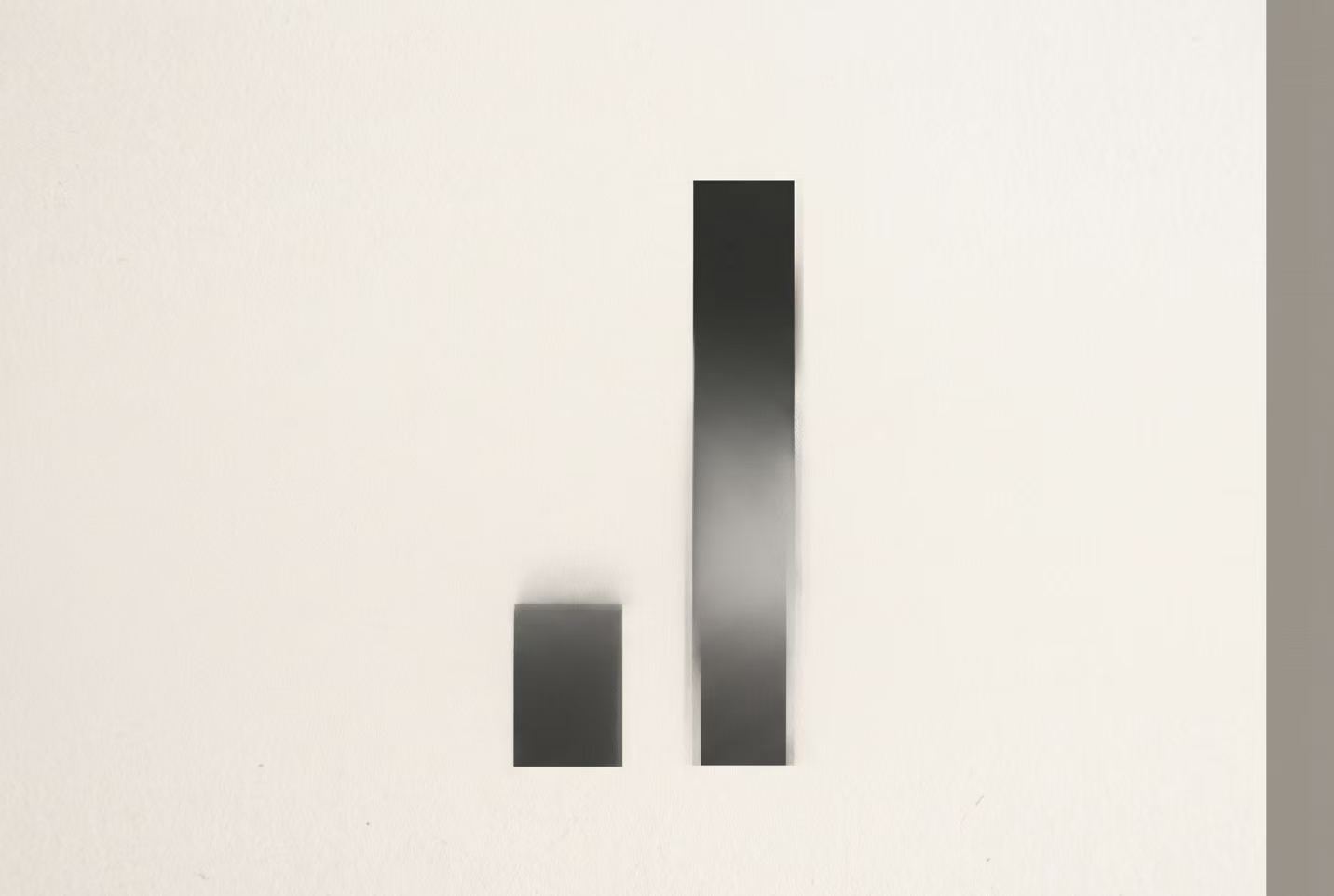
The first is a study from the University of Chicago, by Yier Ling, Alex Kale, and Alex Imas. They asked 338 students a simple question. Do you use AI for your schoolwork? About 60 percent said yes. Then they asked the same students about their classmates. Do they use AI? The number jumped to about 90 percent.
Same students. Same classrooms. A thirty point gap between what people admit about themselves and what they assume about everyone else.
The researchers call it social desirability bias. People answer in the way that makes them look good. When the students were asked to explain the gap, the reasons were telling. Admitting you used AI felt close to admitting you were lazy, or that you could not do the work on your own. So the number gets quietly shaved down, and the real rate of AI use disappears into that gap.
What makes the gap hard to close is that nobody in it is exactly lying. A student who says no is not inventing a story. They are answering a slightly different question in their head, something like, do I want to be the kind of person who used AI. That question has a socially correct answer, and it is not the true one.